SOM.1’s story is not a standard one.
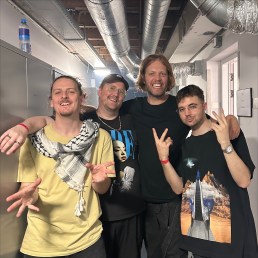
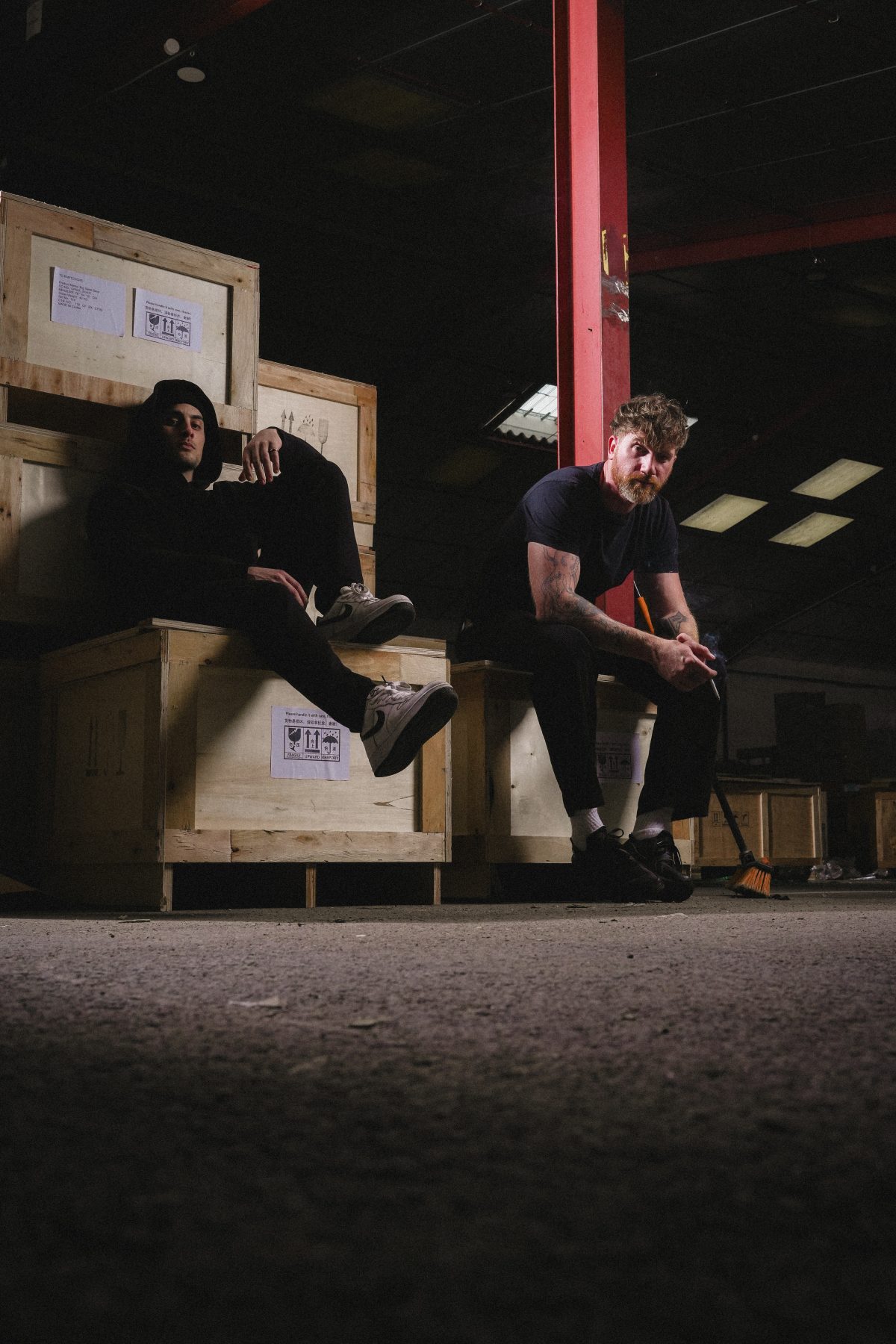
Making music as a duo since 2019, Ben and Djena come from two completely different scenes. The former started his career as a techno DJ, and the latter as a house music one. So when it came to working together, it wasn’t entirely straightforward. However, they saw the potential of collaborating and decided to keep going.
After experimenting in the studio, Djena & Ben decided to break down all barriers. The duo has thrived ever since, releasing on the legendary R&S Records, on Laurent Garnier’s Cod3 QR, and last year, their independent debut album, Empty View.
We had a chat with Djena to talk about the duo’s evolution since starting SOM.1, their favourite memories, and what’s more to come.
You’ve been working together as SOM.1 since 2019. How have you evolved since then?
Djena: We come from two different backgrounds. We were in the same DJ crew back in the day, and we were organising events. Ben was a resident at the techno parties, and I was playing at the house parties. At some point, we became friends and thought about what we could do in the studio together. It wasn’t that easy, because our backgrounds were completely different. So, we tried something completely different, and we started making music without any boundaries. From the first track that we’ve made together, we realized that we could do so much more when we weren’t limited by genres. That’s where we started experimenting with UK garage, drum & bass, and more.
Why did you decide to be so open-minded about what you wanted to make?
Djena: When starting SOM.1, we explicitly decided that there would be no boundaries. Back in the day, it was very strange for a house or techno artist to start making drum & bass or UK Garage overnight. There was this fear that it could destroy your music career, and that was a frustration that I was having. We both wanted to try out different genres without risking our careers, so we decided to start a completely new project together.
How do both of your influences come together?
Djena: I love house, but I’m a huge music fan in general. I listen to jazz, reggae, UK garage, ambient, and classical music. In the studio, we like to experiment and discover what else we can do, rather than just sticking to what we already know. We definitely want to keep having fun with it. Making music is a little bit like being a child to me. You need to enjoy it, constantly try out new things, and have your “firsts” with instruments, plug-ins, and whatnot. Going into the studio and starting a drum & bass track—a genre you’ve never produced before… that feeling of trying something new is just magical to me. We want to keep people guessing about what we’re going to do next and give them something new every time. For instance, one of the very first tracks we released was ambient, the second was experimental, and the third was drum & bass. On our debut album, we’ve got ambient, drum & bass, breakbeat, electronica… plenty of stuff, and that’s really who we are. We still keep a core identity behind each track: just because the rhythm changes doesn’t mean our identity changes.
How do you translate this into your DJ sets?
Djena: Most techno and house DJs only play one type of music in their sets and don’t steer too far from the mainstream. We like to take risks and try out more difficult stuff in our sets, because, to us, that’s when a DJ tells the most beautiful story. Since we don’t have any boundaries in the studio, we don’t have any when we perform on stage.
Let’s think back to all of the things you’ve achieved with SOM.1 so far… What are some of your favourite memories?
Djena: We were lucky enough to play a live DJ set at Château Laurens in Agde, in the south of France. There was a full light show; we made a special intro and edited some of our tracks to fit the environment. We created a set especially for that project because we wanted to tell a story. It was amazing. Not every artist can say they were able to perform in such a beautiful castle with a light show designed for their music.
Another highlight for us was getting to release on R&S. It was such a dream for us, as it’s a label we have listened to since we were teenagers. R&S is where our biggest influences started their careers: Aphex Twin, The Prodigy, and plenty of other amazing artists have released on it. Being recognized by this institution gave us visibility, but also strength and confidence in our music. We released a single that was included in the VA “In Order To Dance”, which is one of the most famous compilations in electronic music on R&S. It’s something we are really proud of.
Another milestone was releasing on Laurent Garnier’s label, because you are getting recognized by one of the biggest guys in the game, not just because it’s Laurent Garnier, but because of the man he is and the talent he has. Everything we have achieved so far is crazy stuff. When I was a teenager, I was looking at artists doing cool things, and I told myself: if I can reach that level at some point, that would be amazing. And we have done just that. Even with a lot of goals already ticked off our list, you always want more. We don’t want to be arrogant, but when you start making music, you believe in it. You might not be sure where you will land with it all, but you just keep creating. It’s a matter of hard work, luck, and a little bit of talent. You need the right timing with the right people, and the label needs to have the appetite to release new artists.
Talking about timing and releasing music… You released your debut album in December 2025. Why did you wait that long?
Djena: We actually had our debut album ready quite quickly, but we finished it during COVID, and that turned out to be the wrong time. Everyone was scared to release music at that time because the market was dying. We ended up reaching out to R&S Records and Laurent Garnier. Even though they weren’t ready to release an entire album from us, they were interested in a few tracks. Afterward, we continued working on the album, and in December 2025, we decided to release it independently. We didn’t have a lot of support from big structures, and that’s fine because the album is so eclectic. When we made the album, we again didn’t want to be limited or give ourselves any boundaries. We wanted to go in every direction. We understand that it’s not easy for big labels to release such a wide album. We have had a lot of positive feedback from people who listen to our music and send us messages saying they liked it. That’s all the feedback we need to keep going.
What was the creative process behind the album like?
Djena: We don’t sit in the studio and think, “We have to make something for the dance floor, something that DJs need to play.” We are just trying to make something interesting to us, and more than ever, bring something new. We don’t have the arrogance to say that we are reinventing the wheel, but we just want to bring something new. We don’t want to be the next Fred Again.. look-alike, or the next Michael Bibi, because that’s just not interesting. These guys are already great at what they do, so we don’t need to copy them. We’re not following any trend. We are just trying to create some music. If people listen to it and like it, that’s great, even if it’s only ten of them. With this album, we eventually did get a lot of validation, which was nice to have.
What are your plans now?
Djena: We’ve got a remix coming up on R&S for an EP by Ayk, a newcomer rapper from Iran. After that, the plan is to get back into the studio and start making new tracks. Last year was a lot for us with all the projects we were working on, so now it’s time to breathe. We’re going to do that by putting some fresh new ideas on paper and seeing where we can go.
You can support, buy, stream, or download SOM.1’s latest project, Empty View, here.
SOM.1
Instagram
SoundCloud
Article produced in commercial collaboration with SOM.1.