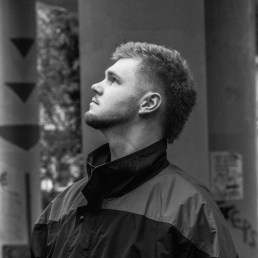
“May the tears I cried in 2025 lube the cheeks I clap in 2026.” – Ferry Mellergers, 2025
Bass virtuoso Buunshin is something else. If not a prime example of when unbridled creativity, thoughtful attention to detail and calm, unadulterated dedication to the craft all meet in a perfect storm.
Fresh off the Oceania leg of his intercontinental tour, the Dutch producer joins us for the next STUDIO Invites later this week in Paris, in a set we expect to be gloriously rich with emotion, character and edge. Since the debut Presence EP captured the ears and hearts of Noisia and the rest of the scene seven years ago, the prodigal musician has spent his time since serving ice-cold remixes and collaborations (The Wall, Distance, City of Ezra) amongst the neat gemstones of his solo works, all to the euphoria of our ears. He maintains his reputation for music that weeps emotional depth and clarity whilst disregarding genre and bpm. His creative delineations have remained consistent; art that emanates consciousness, unwavering production value – distinctly clean and technically precise. Buunshin is not only a namesake, it’s an all-encompassing universe that pushes bass music beyond the limits of what it can be, and the plans to expand this universe are close to realisation.
For the past couple of years, Ferry Mellegers has been working on the next iteration of his project, steadily sculpting the successive era of Buunshin whilst doing the most difficult job of all – taking a long, hard look at himself – then from the strife, creating beauty. We sat down with him for a conversation on clarity, self-responsibility, radical honesty, ecospheres and dealing with hopelessness in what seems at times, a hopeless world.
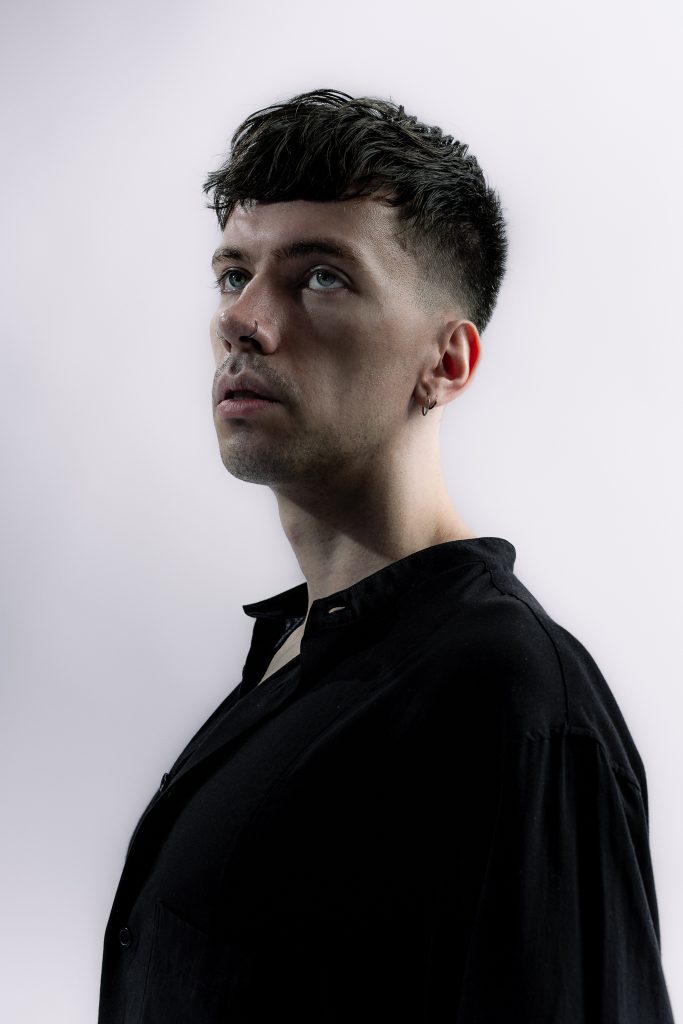
Ferry! Welcome back to Europe, we’re excited for the next STUDIO Invites. How has tour life been?
Insane, insane, insane. At the end of 2025 and the start of 2026, there was a period of three months where I was continuously moving. I had never in my life done something like that before. It was life-changing to experience the US and Puerto Rico. I also went to Ukraine last year, which was really the bow on top of the gift. I was very appreciative of being able to play there. I’m very grateful for every experience that I get to have. When I was a kid, I wasn’t able to afford to travel anywhere, and it took me a very long time to make any sort of money in my life. My first proper job, where I was making a proper wage, was as a musician. So every time I get to travel, I really appreciate any time I can have this experience.
Beautiful. And you celebrated turning 30 earlier this year. What was most significant for you at this milestone?
Unlike what most people expect of leaving your 20’s, physically I feel the best I’ve ever felt by far, just because I’ve been doing all the basic things the right way. Doing all the things your parents tell you to do when you’re young – get eight hours of sleep, eat all your greens.
So annoying that they’re right.
Yeah, it’s annoying that they’re right, it turns out they’re correct! There hasn’t been a time when the proof has been more readily available. Anyone nowadays can go onto the internet and get advice from a professional nutritionist, get high-grade exercise science information, do exercises on YouTube, and find workout routines. It’s crazy how much stuff is out there if you really want to look for it.
You’re very vocal about your mental and physical health, which is really nice to see in the scene. It sounds like you’ve been working on getting your habits down?
I pay attention to my sleep schedules, to my nutrition, to my workout schedule. I’m super anal about that stuff. One thing I really want to try and push more is a conscious clubbing experience. I’m fully sober. I don’t drink alcohol, and I have never done drugs. It’s not that it’s the better experience to be sober. Do what you want to do. I respect everyone who comes to the shows, but at the same time, I want to teach people that going to a club sober is so much fun, because it’s different. It teaches you that if you’re not having fun while you’re at the club sober, then you’re at the wrong club; you’re not going to the right events. You’re not coming in to see the right people, the right music, hanging out with the right people. I think when you go to the club sober, I’ve found that you expedite this whole process of finding the right people, finding the right artists, because you don’t put up with everything anymore, and you just take better care of yourself, especially if you are an avid music listener.
A clear head helps with this infinitely.
I’m not gonna sit here and say, “Oh, it’s easy. Just show up and do the work”. I’m just acknowledging it’s been easier than ever to access information about health, longevity and mental clarity. A lot of people have very good reasons to look forward to a little bit of escapism in their lives. I’ve been that person too in many ways. But when you’re eventually in a position where you’ve been climbing a mountain for some time, and now you’re in a better place with more capacity, then you can be a bit more confrontational towards your inner self and allow yourself to reflect a bit more on your life. And all of a sudden, you start asking yourself critical questions, which also might be a benefit. Before you know it, you start to transform these minor details that you thought your old identity was, into newer, healthier habits. Just from my own experience, going through that process is very hard, but it is very rewarding. Anybody who wants to give sober raving and a healthy lifestyle a try, I can assure you, it’s worth the work. You have to do a lot of heavy lifting at first, but then you come out on the other end being the best version of yourself.
With all these good habits that you’re practicing and considering where you’re at in your artist journey now, how has all this affected your music or creative expression at large?
It has allowed me more time to develop myself as a multi-disciplinary artist. I am much more concerned with the overall creative direction of my projects, more than ever. I’m working with a really talented graphic designer, whose name is David Aindow. Together we’ve spent so much time together in the real world and on Zoom calls to discuss what we think is the best way to bridge the gap between the visual world of Buunshin, the merch world of Buunshin, the 3D show visual world of Buunshin and the music. It’s honestly something I’ve been wanting to do my entire life, but because I didn’t have the work ethic, I only had time for the music. I used to feel like such a victim of time and its consequences. “Oh, I have so little time and so many things to do”, “If only I had more time during the day”. The way things have flipped now, I started seeing myself as less of a victim and tried to actually deal with the consequences of my own actions. So if I spend eight hours on a track when I could have made the same amount of changes in two hours, then I’m the one to blame. It’s not circumstantial; it’s actually just my own doing. Because of the clarity that I experience on a daily basis, I’m able to take this bird’s-eye view, which then gives me much executive function and decision-making during the creative process.
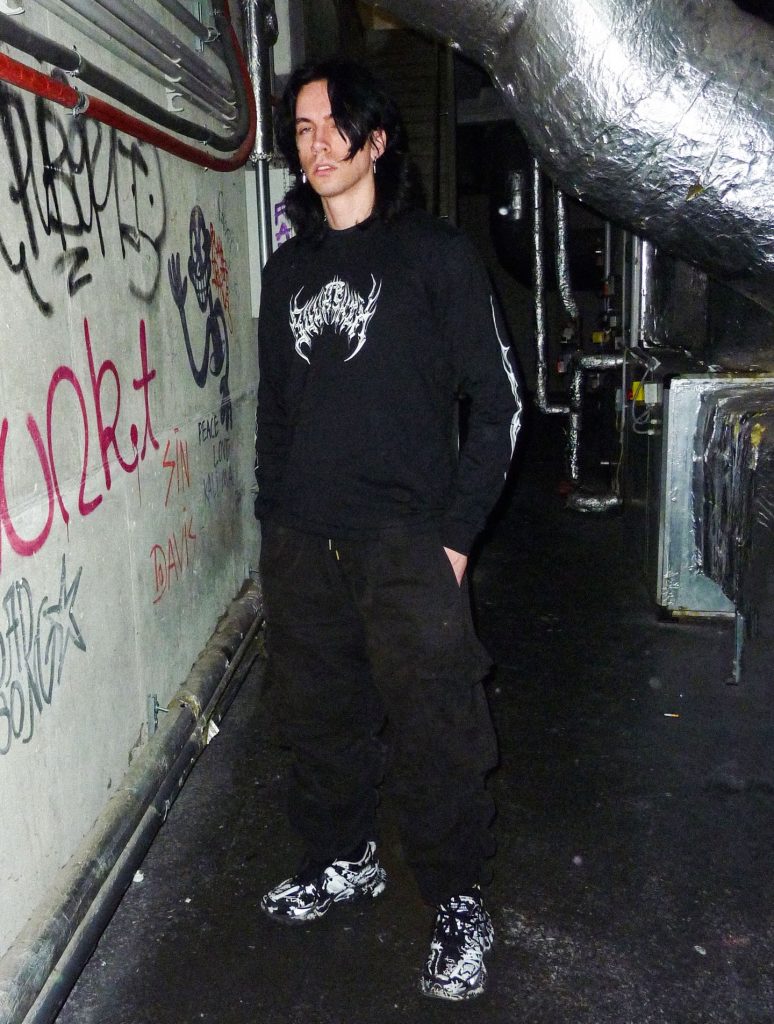
Love this clarity and honouring yourself. Sounds like your self-reflection has reaped both musical and mental benefits for you.
It’s been made apparent why all these changes were urgent. I think seeing yourself as a victim of the causality of life and all the things that you experience is the most unfruitful way to live life. It’s like you’ve already decided, “I have no agency, I’m just utterly going to sit by and watch life happen, and I’m only going to have good things when things fall into place”. I wish we could all feel that agency a bit more and have the courage to change our faith. You have one life; if you choose to show up and do the work, you can have so many nice things. It’s almost as if the massive amounts of screen time and the over-consumption of media have made us into these “puppets” that don’t feel motivated to undertake anything in life. And it makes sense when you ask yourself, “Why would anyone ever do something hard, when we can just have happiness at my fingertips with the stroke of a thumb?”
It’s the difference between life happening to you vs. you shaping your own life and the realisation of your own autonomy.
Yes. But with the increasing amount of friction that people avoid daily, people become less and less resilient to this friction when it appears in everyday life. And that’s why we’ve been seeing this increase, this growth of mental health issues, anxiety, suicide rates, etc. It’s hard. That’s the journey of life that everyone in this day and age is on. But I feel like, just the way my brain works, it’s almost like I’ve sort of gamified my struggles. I look at a facet of my life and think, maybe I should improve this a little bit. And then before I know it, I’m obsessed with it as if it’s some sort of video game, and I need to optimise that facet. In a way, it is like you can mentally gamify stuff and create self-imposed challenges. Challenging myself makes the menial stuff a lot more exciting.
Over the last two years, I found myself reading a lot of non-fiction books, just because I’m curious about how things work and what people’s notions are on certain ideologies. My best friend is a behavioural scientist, which, in my opinion, is one of the coolest jobs. It’s amazing to have him as a friend because if I have this deeper, complex moral question, there’s always someone on the other end of my phone who’s super excited to discuss that with me. I owe a lot of my mental fortitude to him. Thank you, Dale!
We need his number. What book are you reading right now?
I’m reading several books at once, and the reason why I do that is that I am of the conviction that “we should be reminded more than we need to be taught”. When we consume things, I think we should be mindful of the way we consume them. Does it allow for any cognition to happen? Because it’s easy to pick up a self-help book and fucking blast through it in two days. But then chances are you’ll have forgotten about the whole experience in two weeks, let alone implementing the things you have learned. It takes time to make structural behavioural changes. One of the books that I’ve been reading is ‘A New Earth’ by Eckhart Tolle. He explains how the process of letting your ego manifest is essentially a global pandemic. He, almost from a very Buddhist perspective, describes it as everybody who has their ego manifested to a problematic point where they hurt themselves and hurt other people, is almost walking around with a disease. With this title ‘A New Earth’, he alludes to the idea that we need to reform society to the point where sifting out people who have the ego manifested is the highest priority of what we should be tending to and what requires our love, care and our hard work. Because the ego is the root of all fear and therefore the cause of all human pain. Wars are started through the manifestation of the ego. So I think it’s a super interesting book.
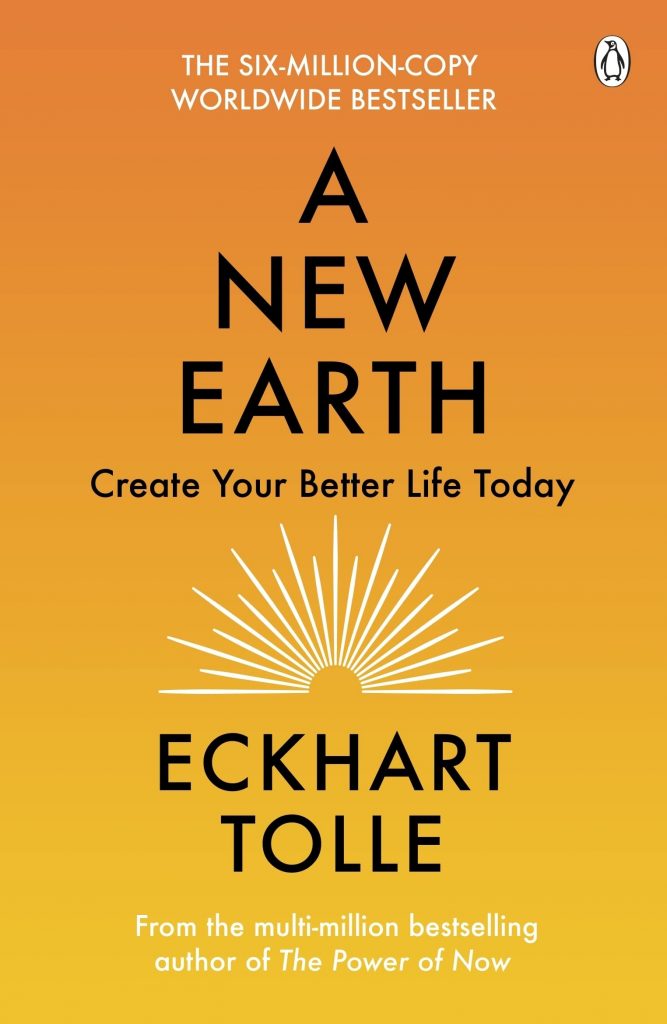
We also need a copy of this. Yes, re-reading and re-visiting information is important for actually internalising it.
We should normalise reconsuming quality content. You’ll watch your favourite movie ten times over if it’s a really good movie. I’ve been treating books and good resources on YouTube the same way.
Amen to that. Speaking of wars and hard times, how do you personally deal with hopelessness?
I think hopelessness is a result of a lack of confidence. I understand that sounds like a bold statement, but hear me out. Hopelessness links to this “passiveness” we were talking about earlier. When you are not doing hard things in the world, you don’t end up with a lot of proof that you can be confident. I see “true” confidence as something that isn’t a trait that is given. It’s not something that one can hand down to their next of kin. It’s something that each and every individual has to grow on their own. I think the biggest change in going from hopelessness to hope for me was starting on an incredibly small scale, by doing something that I feel is my task, something that I’m good at and giving myself an undeniable bit of proof that yes, I can do it. I am who I say I am, even if it’s on this small scale. How people talk about themselves, how people create this identity of themselves, I think if you feel truly hopeless, the first thing you should do is stop claiming things about yourself. Stop pretending that you’re this person that you’ve been claiming to be all this time. I think it’s about these micro changes in behaviour of being more truthful and honest to yourself, which ends up creating a sense of truth and pride within yourself. Then slowly but surely, you start to cultivate hope.
I also feel like people need to realise that they don’t need to be good at everything. I think it’s important that people apply themselves to the best of their abilities. I don’t think it makes sense that people needlessly fill themselves with all this anxiety daily, that stretches them from what they’re truly capable of. At this point, hopefully, you’ve gathered this stack of proof that you can apply to yourself in life. When you’ve done this, you’re on good moral ground. Then you can ask yourself, “Am I applying myself to the best of my abilities?” If the answer is yes, then you’re probably being a good person out there in the world. I believe that each individual doing their bit is enough to sustain a society, which is, of course, a very utopian thought. I see making music and sharing it with the world as my way to apply myself and serve society by making people feel a little bit less alone.
Yes! We can affect real change by becoming the best version of ourselves and by using our talents and skills to create positive impact in our corner of the world.
A good ecosystem thrives because of codependence, because all the organisms that live in that ecosystem live in symbiosis. They could not flourish, and their next of kin wouldn’t exist if they weren’t neighbouring organisms.
I love that articulation. So, last year you posted a video expressing your thoughts on the tension between commercialism and creativity in music. How have you been working through those feelings since?
My video on making music for the algorithm? I haven’t asked myself this question in quite a while now. When I was making this video, I was urgent to raise my voice about it because I noticed that spending a lot of time on social media was making me feel really bad, increasingly so. I think what pushed me over the threshold was the cumulative stress that we experience when we indulge in eight hours plus of screen time, especially if you’re a producer or anybody else who works behind a laptop. If you look at your screen time, it’s insane how much time you dedicate there. So I thought to myself, I hope that people somehow will see the light and realise that the mass consumption of media is deteriorating their brains. There have been many more conversations about the negative long-term effects on health from extended screentime usage.
I think it’s still getting worse. But I still hope that people can change what they can about this within the limitations of their reality. If you can, choose to throw out the phone. I’m sadly not really able to do the same since it is a part of my job, but I’m doing what I can. I have a strict policy that I don’t touch any screens until midday. I don’t wake up with screens. I have a lockbox in which I lock my phone, an actual chest with a lock, for when I need to detox. I take the key and drop it on the other side of the house. And you’ll think ‘wow, I’m so efficient with this’, but really it’s just me acknowledging that I have so much ADHD I need this to refrain from indulging too much. I’m just a regular man struggling like anybody else, doing whatever I can to mitigate the damage, and I’m sure I’m not the only one who struggles.
Voir cette publication sur Instagram
Now, on other tech, how have you personally been experiencing AI moving through the creative industry?
I studied Sonology at the Royal Conservatoire of The Hague. The people who study there have been at the cusp of music technology for the longest time. My classmates with whom I was studying back then have exploited AI in music long before, but not in ways that are currently being done on such a massive scale. I think we have to make a clear distinction between ethical AI usage and unethical AI usage. I still think there needs to be a lot more debates and discussions on what constitutes that difference. It’s a high priority that there are some international laws and international agreements made about what is ethical and unethical, essentially to protect the integrity of artists’ work who haven’t permitted for other people to train AI on their work.
That being said, I think people underestimate what the process of making music can bring to you. Coming back to this whole thing of “why would you ever do a hard thing if you can just get it with the swipe of a thumb”. I don’t really think people understand the happiness that can come from the process of making music. It’s like saying, I’m not going to take a walk today, because why would I, if I could take the train? Walks are fun. The biggest flex in 2026 is making sure all of your dopamine is not received but earned, and you don’t earn it by always choosing the path of least resistance.
Life is the journey, and the destination is not what will satisfy you. The process of getting there will.
Yes, and especially in music. I think if it hadn’t been for this long-winded process over the past couple of years, where I’ve done a lot of self-reflection, I would never have accumulated this work that I have right now. If I just generate a couple of tracks with AI, they would not sound the same. Also, from a very nerdy perspective, I think AI is really not there yet with the sound quality. I think the high frequencies sound absolutely terrible with anything that AI generates. Anyway, it’s hyperreal. It’s not real. It’s never going to resemble the real world, in a sense. I feel like people who really have some good ears can tell the difference, and those are the people in the industry who actually get to make the big calls. So I hope that they will remain capable enough to tell the difference between some AI slop and some actual good stuff.
Indeed! Quickfire round now. What’s the coolest thing in your house?
I have ecospheres in my house. They’re self-contained closed ecosystems in glass jars. I have a few of them, and they have plants inside of them and little microbial bugs that live in there. I never have to open them since they are completely self-sustainable. They were my Covid obsession, and they have been alive and thriving ever since.
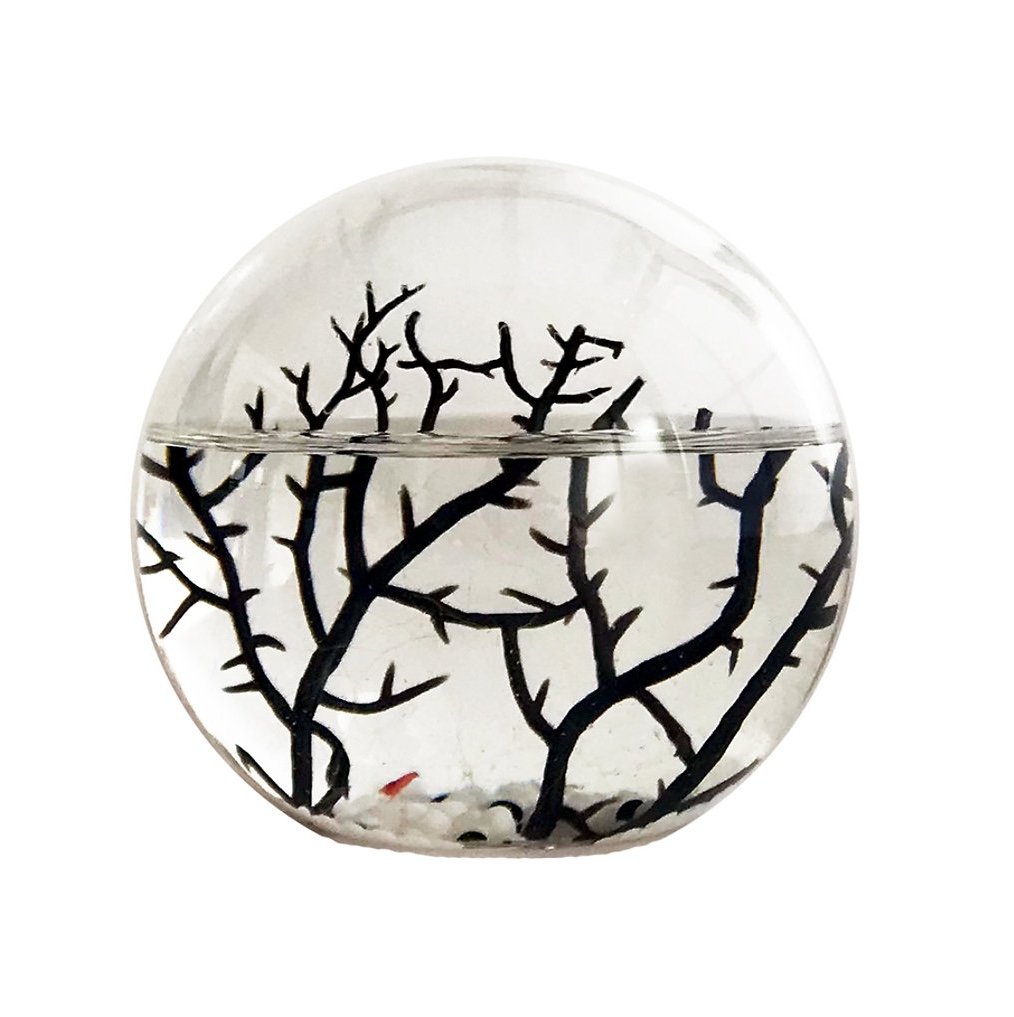
So cool! And who was your favourite crowd on tour so far?
That’s like asking a parent who their favourite child is! Each crowd has their own beauty for what they are. But one particular moment that was a standout for me was when I was in Sydney with the guys from Curi Collective. They’ve backed my music for as long as I can remember, and they’re kind of friends, so I arrived early, and we set everything up together. Last time I visited, I got to sound engineer for myself, which is something I rarely do. It was basically my own custom event setup at that point. Everything was just super sick; the guys taking care of the video recording, the guys taking care of the lighting, the crowd was absolutely amazing, super intimate. Everyone was going nuts at literally everything I played, and I was trying to poke them and see what the worst was that they could handle, which makes people really excited because they know they’re being tested. Yeah, it was sick.
The stars really aligned for that one. Finally, how can we be better to each other?
In any social interaction, try to do an equal amount of talking and an equal amount of listening. In any sort of discussion, try to take the centre position, because the central position is the only place where people really come together and where the various areas of the discussion will meet in the middle. I always try to take an empathetic position, but I also hold truthfulness in an even higher regard. I believe that if you tell your best friends the truth, you will be able to have a better long-term relationship with them, as opposed to having a very nice, fiery, short-term friendship that crashes and burns just because you’re not really being honest towards each other. Finally, I’d say to really take the time to ask one another how they are doing. Maybe that’s a Dutch thing, because we’re really blunt in that sense. If somebody asks me, ‘Hey, how are you doing?’ I will give them a full answer. So at that point, it’s on you. If you don’t want to hear it, don’t ask!
Yes, and be willing to listen to the answer.
Yeah, and be receptive, be understanding. Especially if your position or your solution to a problem is very obvious, it might not be so obvious to your friend in need. So you cannot push people to change. Even if things feel really simple and straightforward, you can lead a horse to water, but you cannot make it drink, as they say. People have to be willing to make the changes they need to make in order to get to a better place, and you have to respect their pacing. That’s something, as they say in Adlerian psychology, that’s not really your task. It’s from a book called “The Courage Of Being Disliked”
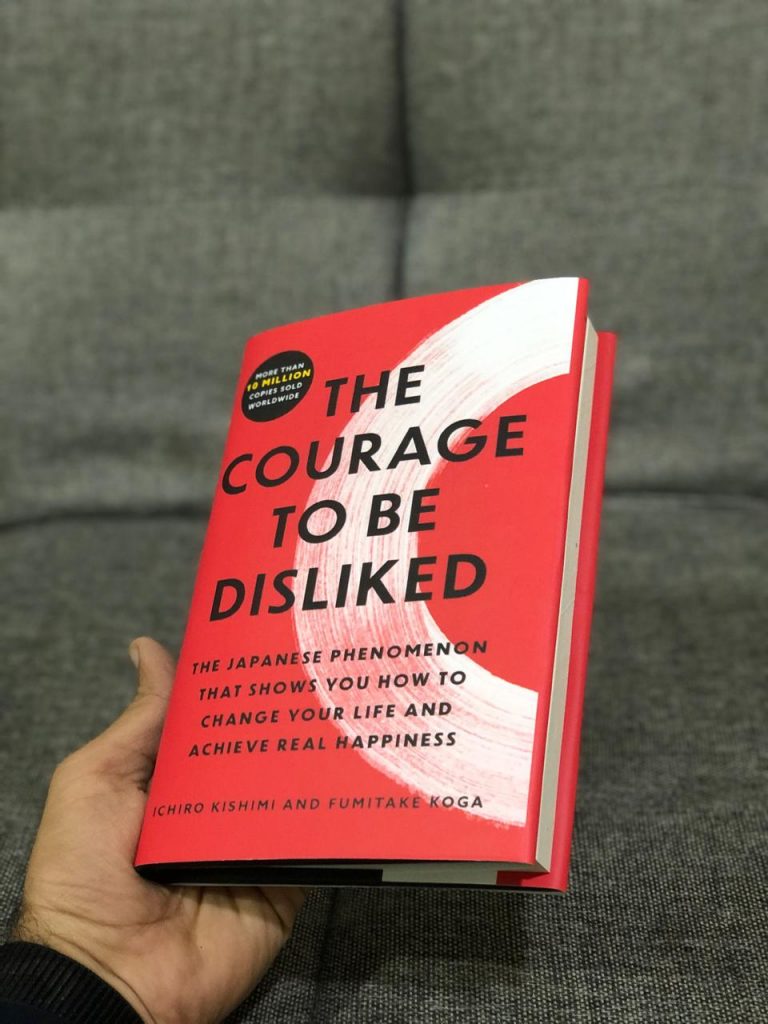
Now that’s a great book. What’s going on for you this year? What should we look out for in 2026?
I haven’t spoken a lot about what I am doing this year, but there has been a really important personal development for me. I’ve been so grateful for everything I’ve done so far, but I know now that I want to create solo works where I challenge myself and where I consider myself ‘good enough’ – which is something I’ve been battling for a long time. So look out for a lot more solo works where I’m pushing myself further. I have a huge bundle of music that I have been working on for the past 4 years, and I cannot wait to show everyone.
Thanks to Ferry for this in-depth chat. You can catch him this Saturday at the next STUDIO Invites event here. Only 50 tickets left.
Buunshin
Instagram
SoundCloud